
How Long Does It Really Take for Acne Scars to Fade?
Conquering active acne breakouts is no easy feat, and it can take months or even years to identify triggers and find effective solutions. But the challenge can persist when those pimples linger on as acne scars. So, how long does it really take for acne scars to fade, and what can you do to accelerate the healing process? This guide will explore some of the most effective options!
What Kind of Acne Scar Do You Have?
The right treatment depends on the type of acne scars you have. It’s common to develop several distinct kinds at once, depending on the cause of your acne, skin type, and other factors.
Atrophic Scars
Depressed acne scars appear in several forms, including boxcar, ice pick, and rolling varieties. Boxcar scars are typically broad, round or oval indentations with clearly defined borders. Ice pick scars are narrow and deep, extending farther into the skin.
Atrophic scars are among the most persistent and difficult to treat because they lack adequate collagen and involve significant structural changes in the skin.
Hypertrophic Scars
Keloid or hypertrophic scars are raised scars characterized by excess collagen production during the healing process. They can feel firm, thick, and itchy. Some people find that their hypertrophic acne scars gradually fade with time, but this can take months or years without proactive treatment.
Inflammatory Hyperpigmentation
Dark spots and discoloration often appear alongside scar tissue, making old blemishes appear more pronounced. These marks tend to have the shortest fading time, especially in folks with faster cell turnover rates.
Which Salon Treatments Actually Fade Acne Scars
Without a targeted therapeutic approach, acne scars can last a lifetime. However, you don’t have to live with them. Professional treatments are the most effective ways to fade acne scars and support healthy, beautiful skin. Although they won’t offer immediate results, a consistent treatment schedule can dramatically restore a healthy complexion over time.
Microneedling
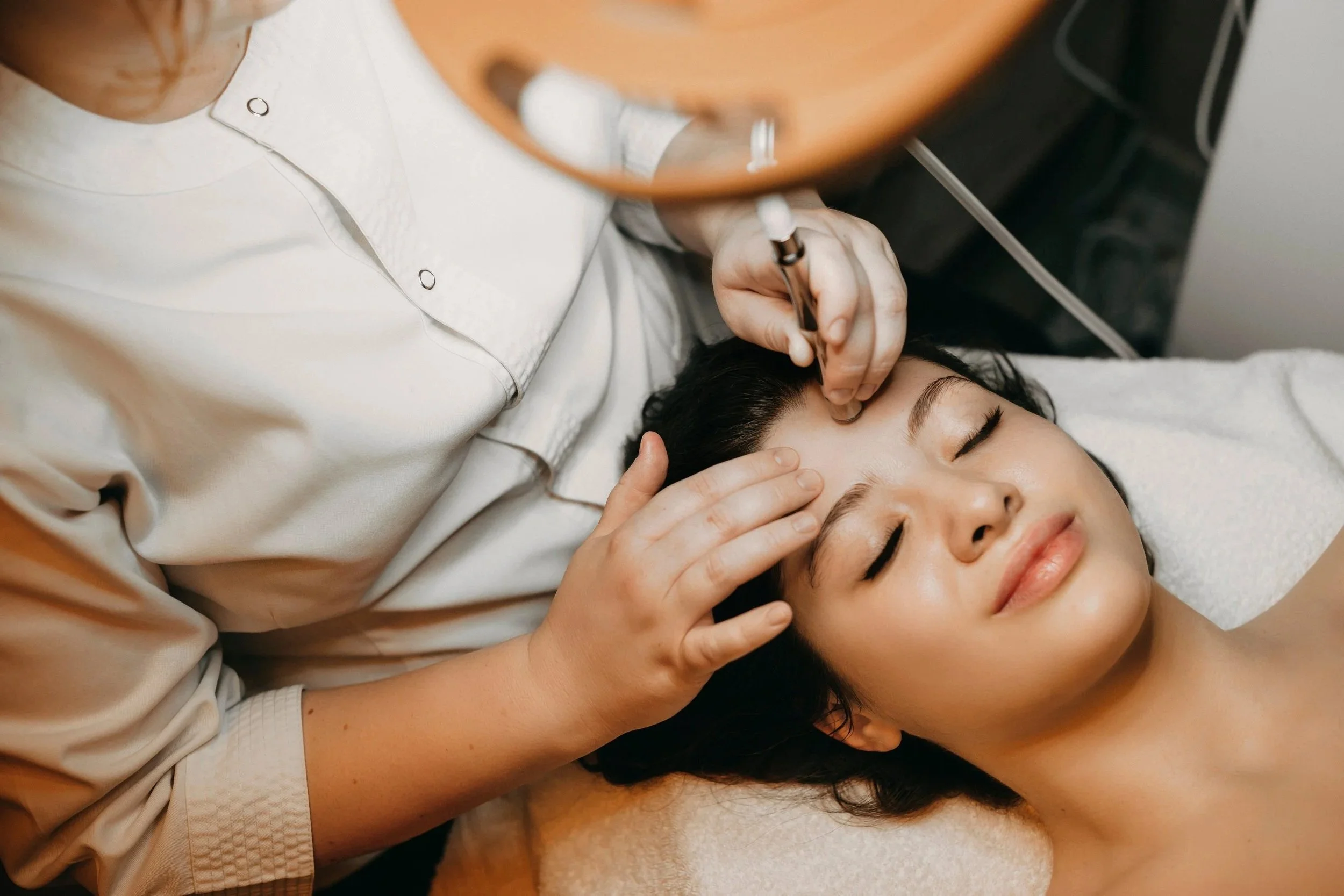
When your body detects an injury, it responds by sending fresh, oxygen-rich blood to the area and stimulating the production of collagen and elastin. This healing process is essential for tissue remodeling, helping improve the appearance of acne scars, stretch marks, and other damaged tissues.
Fortunately, the microscopic injuries created during microneedling are enough to trigger the body’s restorative superpowers. Many people achieve noticeable results with a series of three to six sessions spaced four to six weeks apart. You may also see fine lines, wrinkles, and other textural abnormalities slowly disappear.
Chemical Peel
Chemical peels use specialized acids to remove old skin cells and stimulate cellular regeneration to lighten post-inflammatory hyperpigmentation, even out skin tone, and soften superficial scarring.
There are many different strengths and formulations available. Light peels often contain a mild blend of glycolic, lactic, and salicylic acids, which smooth and brighten the skin without significant downtime. More potent solutions can support significant skin resurfacing, but they also carry greater risks and longer recovery periods.
Laser Therapy
Depending on the technology used, laser devices can address concerns with both skin tone and texture. Ablative lasers remove the outermost layers of skin, encouraging faster cell turnover. Non-ablative lasers gently heat deeper layers of the skin matrix to boost collagen production and avoid many of the visual side effects of more superficial applications, such as redness and peeling.
As with all other professional treatments to fade acne scars, the results of laser therapy are gradual and cumulative.
What Can You Do to Treat Acne Scars at Home?
While professional treatments are the gold standard for scar reduction, a complementary skincare routine can support healthy skin and help shorten the time it takes for acne scars to fade. Here are a few key ingredients to discuss with your esthetician:
Alpha Hydroxy Acids (AHAs)
AHAs like glycolic and lactic acids dissolve dead skin cells, which often accentuate dark spots and acne scars. By gently exfoliating the skin and boosting cellular regeneration, these topical products are safe, effective additions to a barrier-friendly regimen.
Be sure to introduce new acids slowly, applying mild concentrations once or twice per week to allow your skin to acclimate.
Retinoids
Prescription-strength retinoids like tretinoin and retinol turbocharge cell turnover and stimulate collagen production, helping address many underlying issues associated with acne scars, including uneven skin tone and texture.
Follow your provider’s instructions by gradually introducing these products and making sun protection a top priority.
Sunscreen
Of course, a daily sunscreen should be non-negotiable in any well-rounded skincare routine – not just for folks using retinoids. That’s because UV exposure can darken existing hyperpigmentation and further break down collagen, elastin, and other structural tissues.
Opt for a mineral sunscreen rated SPF 30 or higher. Apply it every single morning, even when it’s stormy or you plan to stay indoors. Don’t forget to reapply every two hours when you’re out in the sun. If you don’t want to ruin your makeup, consider an SPF setting spray for touch-ups later in the day.
Prevention
Acne prevention is easier said than done, but a few intentional practices can help you deter new acne scars from forming. For example, applying salicylic acid once or twice per week can balance excess oil production and prevent blemishes. When pimples appear, resist the urge to squeeze or pop them, as this can cause lasting scars. Prioritize a healthy skin barrier with a nourishing moisturizer and daily sunscreen.
Fade your acne scars at Pearl Beaute!
Ready to fade your acne scars and restore your natural glow? Pearl Beaute is here to help! Schedule a consultation today to take control of your skin.