
Nutritional Therapy: What It Is and How It Helps Support Acne Treatment
Nutritional therapy isn’t a standalone acne treatment, but it can have a profound effect on your mental health and physical well-being, giving your body a strong foundation to fight breakouts from the inside out. Join us for a beginner’s guide to nutritional counseling!
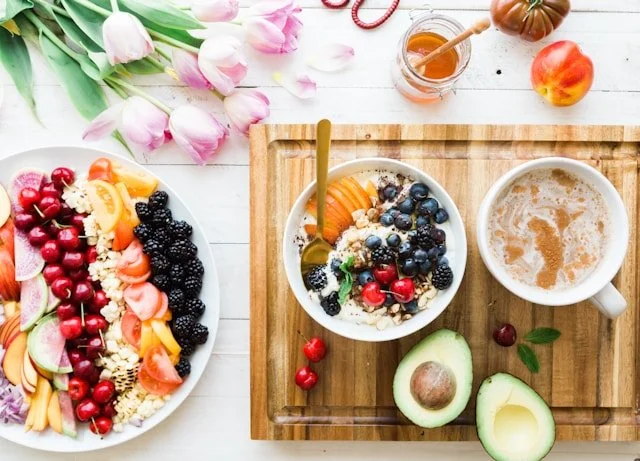
Core dietary principles alongside acne treatments
At Pearl Beaute, each nutritional therapy client receives a bioindividualized treatment plan that accounts for their medical history, underlying conditions, lifestyle, and goals. Still, most approaches include the following dietary principles:
Low-glycemic index (GI) diet
A low GI diet emphasizes foods that cause a slow, steady rise in blood sugar, which may improve acne by reducing insulin spikes. In addition to blood sugar regulation, these eating plans can also help manage weight and support heart health. Especially when paired with other healthy habits. Expect to eat a nutrient-dense diet that includes:
Non-starchy vegetables
Whole fruits instead of juices
Beans and lentils
While grains
Lean proteins
Healthy fats
Reducing dairy consumption
Not everyone who consumes dairy suffers from acne, but some people are naturally more sensitive to the hormones in milk. A registered dietitian or nutrition therapist will take a holistic approach to care. They may ask about any digestive or gut disorders, allergies, or chronic diseases you have, such as irritable bowel syndrome or diabetes. Depending on your answers, they might suggest you begin keeping a food journal or reduce dairy consumption for six to eight weeks to see how your acne responds.
Keep in mind that fermented dairy products like yogurt and kefir are generally less likely to trigger breakouts.
Omega-3 fatty acids
Omega-3 fatty acids exhibit powerful anti-inflammatory properties that appear to counteract inflammation caused by acne. Be sure your diet includes whole foods rich in these healthy fats, such as:
Salmon
Sardines
Mackerel
Walnuts
Chia seeds
Flaxseeds
Eggs
Foods rich in probiotics
A balanced gut microbiome has been shown to support digestive health, immune function, mental wellness, cognitive ability, weight management, and healthy skin. A great nutritional therapy program should include a focus on natural probiotic sources, like kefir, sauerkraut, kimchi, and miso.
Vitamins and minerals nutritional therapy focuses on
Even if you eat a largely balanced diet, it’s possible that a nutrient deficiency could be contributing to your acne. Here are a few common culprits:
Zinc
Research indicates that people with chronic acne tend to have lower zinc levels than peers with clear skin. That makes sense, as this mineral impacts inflammation, wound healing, and even sebum production. While supplements can be helpful, the best way to boost zinc (without interfering with copper absorption) is to add whole food sources to your diet, including:
Oysters and shellfish
Pumpkin seeds
Cashews
Chickpeas and lentils
Whole grains
Vitamin A
Topical vitamin A derivatives like retinoids get a lot of attention in aesthetics, but dietary sources are just as important. Dark leafy greens, liver, eggs, orange and yellow veggies, and some dairy products can help reduce oil production and boost cellular regeneration.
Vitamins C & E
Your nutritional therapy plan will likely emphasize antioxidants that protect skin from oxidative stress. Vitamins C and E address different aspects of skin health, but work together to help fight acne. Vitamin C is essential for collagen synthesis and tissue repair, while E supports healthy barrier function and protects cell membranes from damage. A varied diet with foods like bell peppers, citrus, broccoli, nuts, seeds, and avocados should provide plenty of these immune powerhouses.
How to get started with nutritional therapy at Pearl Beaute
If you’re serious about eliminating acne for good, our nutritional therapy services can help you take control of your health, inside and out. Here’s how it works:
Identifying triggers that influence breakouts
Although acne can have one single source, most breakouts are caused by a combination of nutritional factors and behavioral habits. During your consultation, we’ll discuss many potential drivers of your acne, including your:
Daily eating habits and blood sugar balance
Digestive health and gut function
Stress levels and sleep quality
Hormonal patterns
Food sensitivities and dietary trends
Lifestyle habits that may affect inflammation
Assessing your current wellness and health history
With a better understanding of how foods impact your skin, we can begin to build a comprehensive picture of your overall health. We’ll want to know about your history of breakouts and what acne treatments you’ve tried, current skincare routine, medical history, medications, typical energy levels, and other metrics that make a difference in your daily life.
Creating your Nutritional Skincare Program personalized plan
All this investigative work comes together to reveal patterns that could be contributing to persistent or recurring acne breakouts. We’ll use the information provided to design a bespoke Nutritional Skincare Program for your unique needs. While our nutritional therapy services are geared toward acne control, we can tailor your plan to support other goals you have: weight loss, better energy, or more restorative sleep.
Curious about what nutritional therapy can do for you? Book a consultation with Pearl Beaute!
Nutritional therapy is a specialized blend of targeted solutions and proper education. Pearl Beaute is here to help you achieve your goals, so you look great and feel unstoppable. Learn more about our approach or book a consultation to get started!